
Tooth pain, sensitivity, or swelling can feel minor at first — but these symptoms often signal a serious infection deep inside the tooth. Most people dismiss them until the problem becomes much harder to treat. At Kopp Bloom Full General Dentistry for All Ages, Dr. Thomas Kopp helps patients recognize these signs early so treatment stays straightforward and effective.
Why Root Canals Get a Bad Reputation — And Why That’s Changing
Most patients dread hearing the words “root canal.” The procedure has a long history of being feared. But modern techniques have made root canal treatment far more comfortable than people expect. In fact, leaving an infected tooth untreated causes far more pain than the procedure itself.
A root canal removes the infected pulp inside your tooth, then seals the tooth to prevent further damage. When performed early, recovery is typically smooth and quick. Waiting allows the infection to spread — making treatment more complex and the outcome less predictable.
Patients who act quickly almost always have better outcomes. I use a gentle, patient-centered approach at every step. Understanding the warning signs is the first step toward protecting your smile.
Five Warning Signs a Root Canal May Be Needed
These five symptoms are the most common indicators that your tooth pulp may be infected or damaged. If you’re experiencing any of these, don’t wait to schedule an evaluation.
- Persistent or severe toothache: A deep, throbbing ache that doesn’t go away is a major red flag. Pain that worsens when you bite or apply pressure needs prompt attention.
- Prolonged sensitivity to heat or cold: Some sensitivity after eating is normal. But if pain lingers for more than a few seconds after the stimulus is gone, the nerve may be affected.
- Darkening or discoloration of the tooth: A tooth that turns gray or dark brown often signals that the inner pulp has died or is dying. This discoloration is a visible warning sign many people overlook.
- Swollen or tender gums near the tooth: Swelling, pimple-like bumps on the gums, or tenderness around a specific tooth point to infection. These symptoms can come and go — but they don’t resolve on their own.
- A cracked or chipped tooth with pain: Cracks allow bacteria to enter the pulp chamber. If a damaged tooth is also painful, the infection may already be present inside.
Even one of these symptoms warrants a same-day call to our office. Catching the problem early keeps your treatment options open.
What Happens When You Wait Too Long
Delaying treatment is one of the most common — and costly — mistakes patients make. Tooth infections don’t resolve without professional care. Bacteria can move from the pulp into surrounding bone and tissue. What starts as a treatable root canal can become a tooth that cannot be saved.
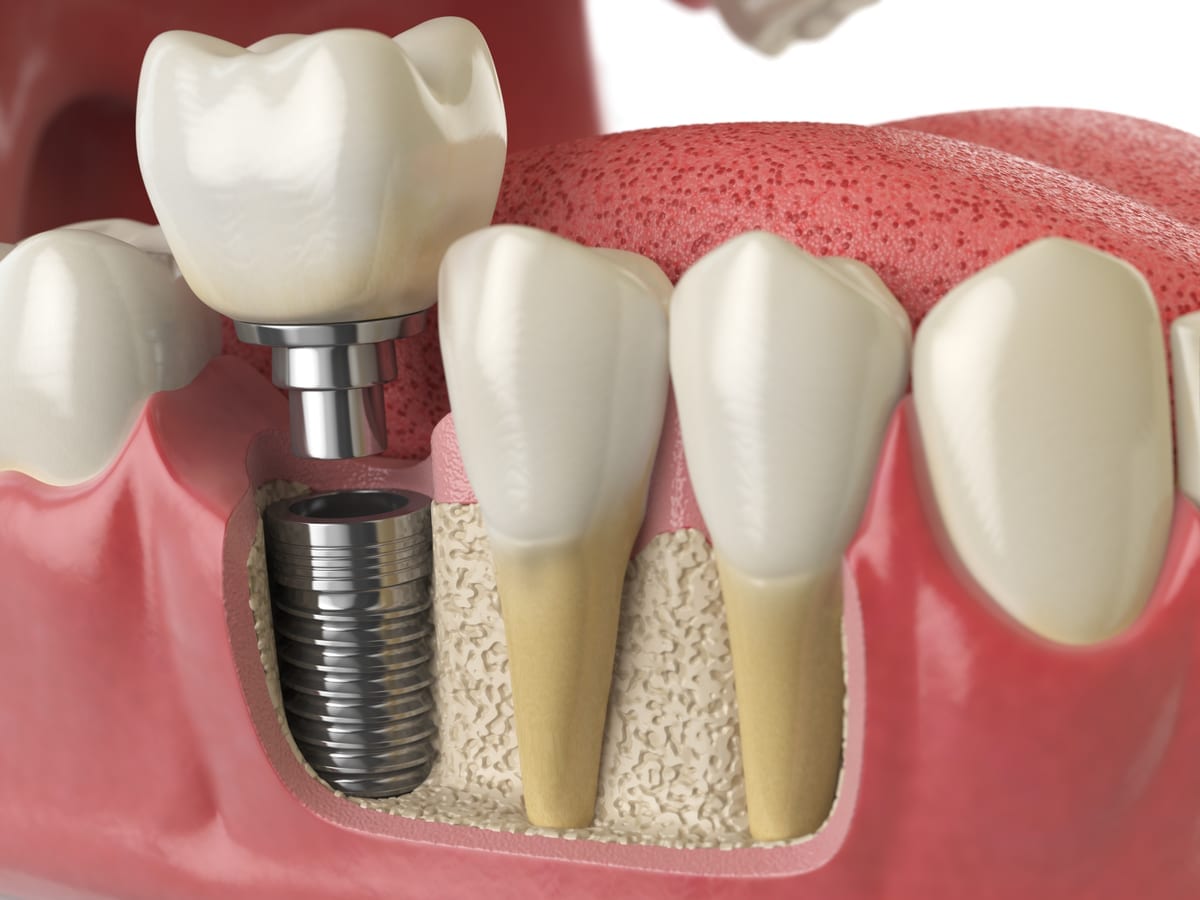
In advanced cases, patients may require a tooth extraction followed by a dental implant or dental bridge to restore the missing tooth. These are significantly more involved procedures that take longer and cost more than addressing the infection early.
There are also broader health risks. Untreated dental infections can enter the bloodstream, creating complications well beyond your mouth. The urgency is real — and early action is always the better path.
What to Expect During a Root Canal at Kopp Bloom Dentistry
Many patients are surprised by how manageable a root canal actually is. I use local anesthesia to ensure you feel comfortable throughout. Most patients compare the experience to getting a routine filling. Here is what the process typically looks like:
- Examination and X-rays: Dr. Kopp evaluates the tooth and confirms the extent of infection using digital X-rays.
- Anesthesia: Local anesthesia numbs the area completely before any work begins.
- Pulp removal: The infected pulp tissue is carefully removed from inside the tooth and root canals.
- Cleaning and shaping: The canals are cleaned, shaped, and disinfected to eliminate bacteria.
- Sealing the tooth: The canals are filled and sealed with a biocompatible material called gutta-percha.
- Dental crown placement: In most cases, a dental crown is placed over the tooth to restore strength and protect it long-term.
Recovery after a root canal is usually mild. Some soreness for a day or two is normal. Over-the-counter pain relievers are typically enough to manage any discomfort, and most patients return to normal activities the next day.
Protecting Your Teeth Before Problems Develop
Prevention is always the best strategy. Regular dental cleanings and checkups allow me to spot early signs of decay or damage before they reach the pulp. Catching a small cavity early can prevent a root canal entirely.
Patients with young children should also ask about dental sealants as a preventive tool. Sealants protect back teeth from decay before problems start. Combined with regular cleanings, they significantly reduce the risk of serious infection down the road.
Staying proactive about your dental health is the most effective way to avoid painful procedures. Our team is here to make that easy for families of all ages who visit us here in Crystal Lake.
Don’t Wait — Early Action Makes All the Difference
Persistent pain, lingering sensitivity, tooth discoloration, gum swelling, and cracked teeth with pain are your body’s way of asking for help. The sooner you respond, the better your outcome will be. Book Now to schedule your appointment.
Frequently Asked Questions
How do I know if I need a root canal or just a filling?
A filling treats surface-level decay that hasn’t reached the tooth pulp. A root canal is needed when decay or damage has infected the inner pulp tissue. Symptoms like severe pain, prolonged sensitivity, and gum swelling suggest the infection has gone deeper. Dr. Kopp can determine the right treatment with an exam and X-rays.
Is a root canal painful?
Modern root canal treatment is much more comfortable than its reputation suggests. Dr. Kopp uses local anesthesia to numb the area completely before the procedure begins. Most patients report feeling pressure but not pain during treatment. Any soreness afterward is typically mild and manageable with over-the-counter medication.
What happens if I ignore a tooth infection?
Ignoring a tooth infection allows bacteria to spread to surrounding bone, tissue, and potentially the bloodstream. The infection will not resolve on its own without treatment. Over time, the tooth may become unsavable and require extraction. Acting early gives you the best chance of keeping your natural tooth.
How long does a root canal procedure take?
Most root canal procedures at Kopp Bloom Dentistry are completed in one to two appointments. A straightforward case often takes between 60 and 90 minutes. More complex situations may require a follow-up visit. Dr. Kopp will give you a clear timeline after your initial evaluation.
Can children need root canals too?
Yes, children can develop infected pulp tissue just like adults. Pediatric root canal procedures — sometimes called pulpotomies — are performed on baby teeth to prevent the infection from spreading. Protecting baby teeth matters because they hold space for permanent teeth. Dr. Kopp treats patients of all ages at Kopp Bloom Full General Dentistry for All Ages.
Ready to see us?
New patients are always welcome.
Book an appointmentCall us (815) 477-4055