
Stress-Free Tooth Removal in Crystal Lake, IL
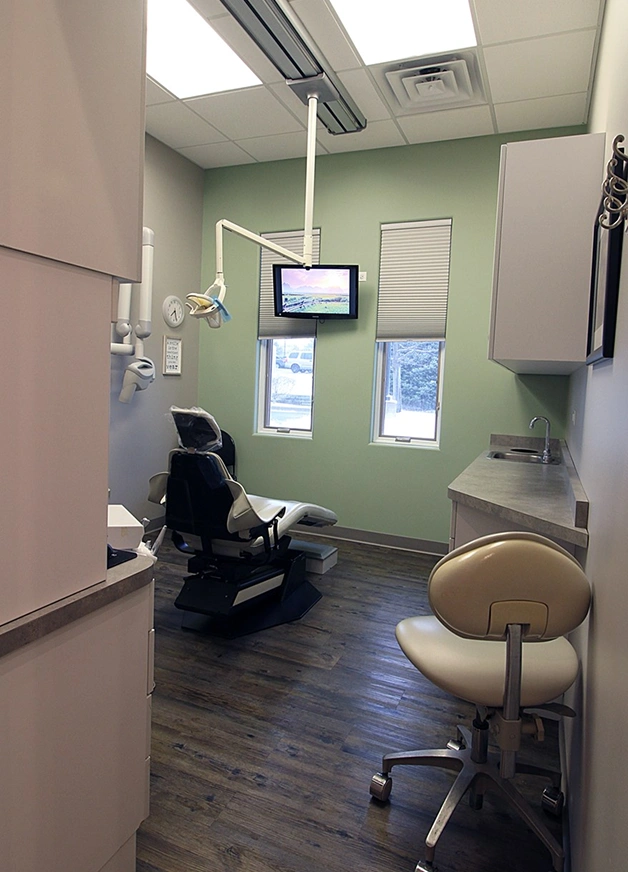
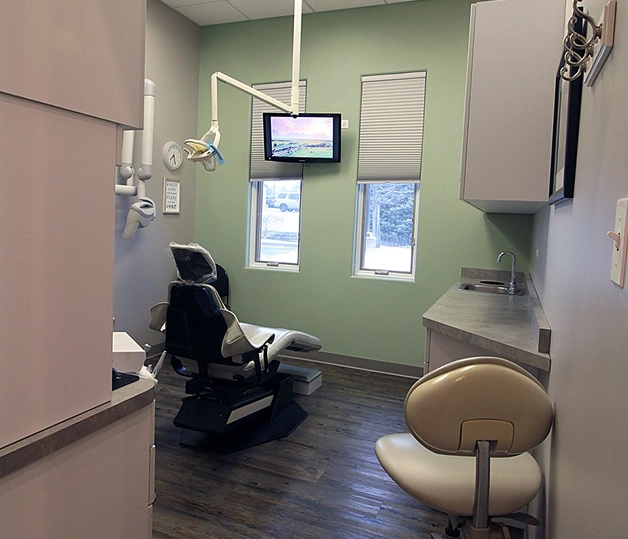
At Kopp Bloom Full General Dentistry, our goal is always to preserve your natural teeth whenever possible. However, in some cases, removing a tooth is the healthiest option to protect your smile and overall well-being. We understand that extractions can feel intimidating, so our team is dedicated to making the experience calm, gentle, and comfortable from start to finish.
Our Approach to Tooth Extraction
Your safety and comfort are always our top priorities. Before any procedure, our dentist will perform a thorough examination, explain your treatment options, and answer all your questions. You’ll also receive clear pre- and post-care instructions so you can feel confident and prepared at every step.
When a Tooth Extraction May Be Needed
While we do everything we can to save a natural tooth, sometimes extraction is the best choice for your dental health. Common reasons include:
Severe Decay
When decay is too extensive for a filling or root canal, removing the tooth prevents infection from spreading.
1
Broken or Damaged Teeth
A tooth that’s cracked or damaged beyond repair may need to be removed to relieve pain and protect surrounding teeth.
2
Advanced Gum Disease
If gum disease has weakened the bone supporting a tooth, extraction may be necessary to preserve oral health.
3
Infection or Abscess
When infection reaches the pulp and cannot be treated with a root canal, removing the tooth helps stop the spread.
4
Impacted Wisdom Teeth
Wisdom teeth that don’t fully emerge can cause pain, swelling, or damage to other teeth. Early removal helps prevent future complications.
5
What to Expect During the Procedure
We take every step to ensure your extraction is as gentle and comfortable as possible:
- Local Anesthesia: The area is carefully numbed to prevent pain during the procedure.
- Tooth Removal: The dentist gently loosens and removes the tooth. For impacted teeth, a minor surgical approach may be used.
- Stitches (If Needed): Some cases require stitches to promote proper healing. These may dissolve naturally or be removed later.
- Aftercare Guidance: You’ll receive simple, detailed instructions to help with healing and manage any temporary discomfort.
Our team is always available to answer questions or provide follow-up care during recovery.
Healing After a Tooth Extraction
Recovery times vary depending on the type of extraction and your body’s natural healing process:
- First 1–2 Weeks: Mild soreness, swelling, or light bleeding are normal. Following aftercare instructions—such as avoiding strenuous activity and eating soft foods—will help speed recovery.
- Complete Healing: Most patients heal completely within a few weeks as the gum tissue closes and any stitches dissolve or are removed.
- Follow-Up Visit: We’ll schedule a check-in to make sure your mouth is healing properly and that you’re feeling comfortable.
Restore Comfort and Oral Health
If you’re struggling with tooth pain, infection, or overcrowding, a gentle extraction may be the best way to protect your long-term oral health. At Kopp Bloom Full General Dentistry, we make the process simple, safe, and stress-free—helping you return to a healthy, pain-free smile. Contact us today to schedule your consultation and take the first step toward better dental health.
Frequently Asked Questions
If the removed tooth isn’t a wisdom tooth or causing overcrowding, it’s usually best to replace it. Your dentist may recommend a dental implant, bridge, or partial denture to restore proper function, prevent shifting teeth, and maintain your natural smile.
Contact your dentist right away if you experience severe pain, prolonged bleeding, swelling that worsens after a few days, or a bad taste or odor in your mouth. These could indicate infection or a dry socket and require prompt attention.
We do a visual examination of your mouth to determine if a tooth should be extracted. Radiographs (x-rays) are taken to assess the position of the tooth roots and the condition of the surrounding bone. Your medical history will be reviewed to insure that you are healthy enough to undergo the procedure.
Your dentist will talk to you about taking care of the area after extraction. See our Home Instructions for directions after extractions.
A tooth extraction is recommended when a tooth is too damaged, decayed, or infected to be saved with other treatments. Extractions may also be needed to relieve overcrowding, prepare for orthodontic treatment, or remove impacted wisdom teeth.
No — the procedure itself is not painful. Your dentist will use local anesthesia to fully numb the area before starting. You may feel mild pressure during the procedure, but not pain. Afterward, some soreness or swelling is normal and can be easily managed with over-the-counter pain relievers and your dentist’s aftercare instructions.
Most patients heal within a few days to about a week. Following your dentist’s aftercare instructions — such as resting, eating soft foods, and avoiding smoking or drinking through a straw — helps promote faster healing and reduces the risk of complications.
Stick to soft, easy-to-chew foods for the first 24–48 hours. Options like yogurt, smoothies, mashed potatoes, scrambled eggs, and soups are great choices. Avoid hot, spicy, crunchy, or chewy foods that can irritate or dislodge the healing clot.