Choosing the right dental crown material matters more than most patients realize. At Kopp Bloom Full General Dentistry for All Ages, Dr. Thomas Kopp helps patients weigh aesthetics, durability, and bite function before making this decision — because the material you choose affects comfort, longevity, and appearance for years to come. Here is what I see most often in practice.
What Are Dental Crowns and Why Does Material Matter?
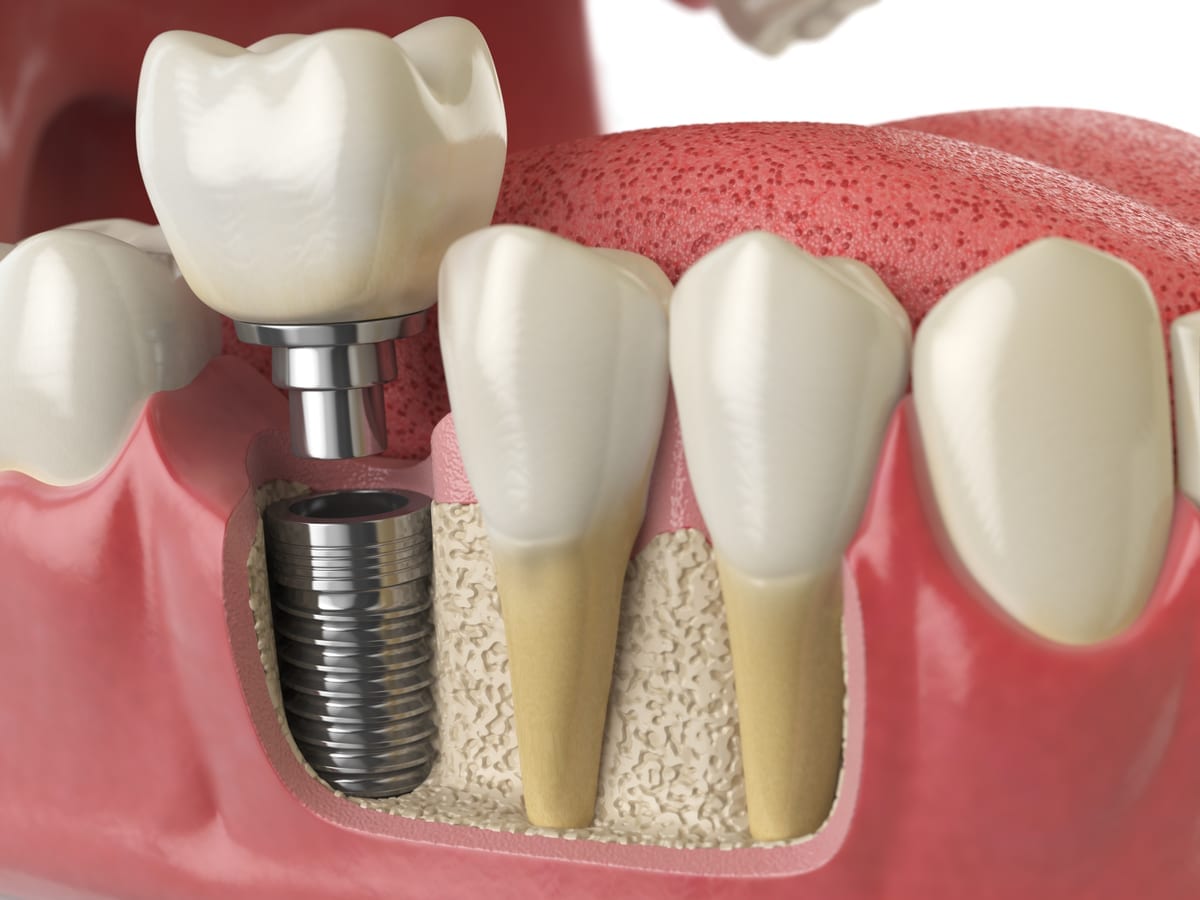
A dental crown is a cap that covers a damaged or weakened tooth. It restores the tooth’s shape, strength, and appearance. The material your dentist chooses affects how natural the crown looks, how long it lasts, and how your bite feels over time.
Crown materials fall into three main categories: porcelain, zirconia, and metal. Each serves different clinical needs. I evaluate tooth location, bite force patterns, and cosmetic goals before making any recommendation — and those three factors together almost always point clearly to one material.
Crowns are often needed after decay, fractures, or procedures like root canal treatment. A crown placed after a root canal protects the treated tooth from further damage. Choosing the right material here is especially important for long-term success.
Porcelain Crowns: Beauty First
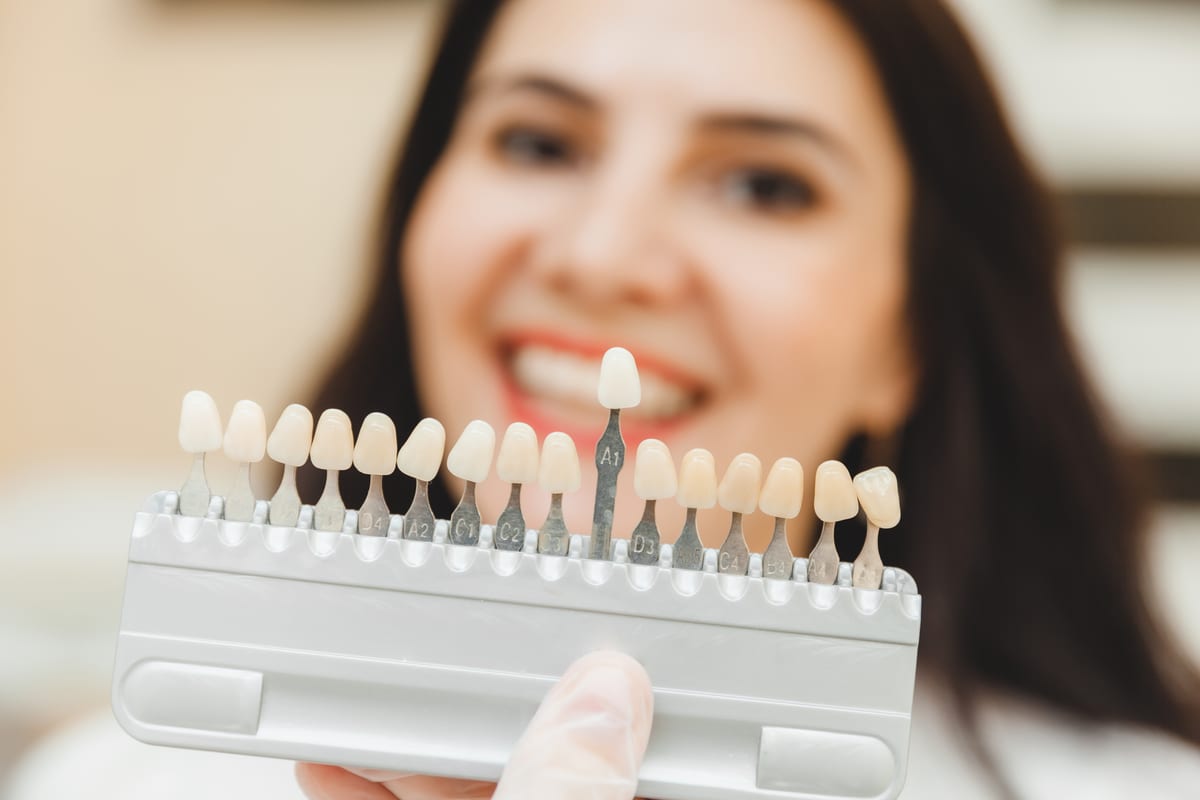
Porcelain crowns closely mimic natural tooth enamel. They reflect light in a way that makes them nearly indistinguishable from surrounding teeth. This makes them the top choice for front teeth where appearance is a priority.
However, porcelain has real limitations worth knowing. It is more prone to chipping than zirconia or metal. It can also wear down opposing teeth over time if not properly polished. For patients with heavy biting habits or grinding, porcelain alone may not be the strongest choice.
- Best for: Front teeth and high-visibility areas
- Strength: Moderate — suitable for light to moderate biting forces
- Appearance: Excellent — highly natural-looking finish
- Cost: Mid-range, depending on fabrication method
- Considerations: Can chip; may require more tooth preparation
I recommend porcelain crowns when cosmetic results are the patient’s top priority. They work beautifully alongside veneers or whitening treatments. Patients seeking a uniform, polished smile benefit most from this material.
Zirconia Crowns: Strength Meets Aesthetics
Zirconia has become the most popular crown material in modern dentistry, and for good reason. It combines the strength of metal with the appearance of tooth-colored ceramic. Many dentists now consider it the gold standard for both front and back teeth.
Zirconia crowns are milled from a solid block of ceramic material. This process creates a precise, durable restoration. They resist chipping far better than traditional porcelain and bond well to the underlying tooth structure.
- Best for: Back molars, heavily stressed teeth, and cosmetic cases
- Strength: Excellent — handles high biting forces with ease
- Appearance: Very good — slightly less translucent than porcelain
- Cost: Slightly higher than porcelain, but long-lasting value
- Considerations: May be too opaque for very thin front teeth in some cases
For patients who grind their teeth, zirconia offers real peace of mind. It withstands pressure that would fracture porcelain. If you need a crown on a back molar, zirconia is almost always my first recommendation at Kopp Bloom Full General Dentistry for All Ages.
Metal Crowns: Durability Above All
Metal crowns have been used in dentistry for decades. They include gold alloys and base-metal alloys such as nickel or chromium. These crowns are exceptionally strong and rarely chip or fracture. They also require less tooth preparation than ceramic alternatives.
The obvious trade-off is appearance. Metal crowns are silver or gold in color. Most patients avoid them for visible front teeth. However, for back molars hidden from view, metal remains a highly practical option — and often the most conservative in terms of preserving natural tooth structure.
Metal crowns are also the thinnest option in terms of preparation. This means your dentist removes less natural tooth structure. That can be a meaningful advantage for teeth that are already significantly worn or damaged.
Some patients with a history of dental sealants on their molars may benefit from metal crowns later in life. Early sealant protection combined with a strong metal crown offers excellent long-term molar preservation.
How I Help You Choose the Right Crown
No single crown material suits every patient. I consider several factors before recommending one. Tooth location plays a major role — front teeth prioritize aesthetics while back teeth prioritize strength. Your bite pattern and any grinding habits also shape the decision significantly.
Budget is another real consideration. At Kopp Bloom Full General Dentistry for All Ages, we walk patients through each option transparently, explaining the trade-offs clearly so you can make an informed decision — without pressure, just education and partnership.
Here is a quick summary to guide your thinking:
- Front teeth, cosmetic focus: Porcelain or zirconia
- Back molars, high bite force: Zirconia or metal
- Grinding or bruxism: Zirconia or metal
- Budget-conscious, hidden tooth: Metal
- Best overall balance: Zirconia for most cases
After your examination, I will recommend the material that best fits your clinical needs and personal goals. Patients who come to our Crystal Lake family dental practice trust this thoughtful, patient-centered approach. Book Now to schedule your appointment.
Frequently Asked Questions
Which crown material lasts the longest?
Metal crowns traditionally have the longest track record for durability, especially in back teeth. However, zirconia has proven extremely long-lasting and now rivals metal in clinical studies. With proper care, all three materials can last 10–15 years or more.
Are zirconia crowns better than porcelain crowns?
Zirconia crowns offer greater strength and chip resistance than traditional porcelain. For most patients, zirconia provides a better balance of aesthetics and durability. Porcelain may still be preferred for very specific cosmetic front-tooth cases where translucency is critical.
Do dental crowns hurt to get placed?
The crown placement procedure is performed with local anesthetic, so most patients feel minimal discomfort. Some sensitivity after the appointment is normal and usually fades within a few days. Dr. Kopp prioritizes patient comfort throughout every stage of care.
How do I know which crown is right for my tooth?
Your dentist will evaluate the tooth’s location, condition, and the forces it must withstand. They will also consider your cosmetic goals and overall oral health. A thorough exam at Kopp Bloom Full General Dentistry for All Ages will guide the recommendation.
Can I replace an old metal crown with a tooth-colored one?
Yes, many patients choose to replace older metal crowns with porcelain or zirconia options. Dr. Kopp can assess whether replacement makes clinical sense for your specific situation. This is a common cosmetic upgrade that significantly improves the appearance of back teeth.
Ready to see us?
New patients are always welcome.
Book an appointmentCall us (815) 477-4055