A knocked-out tooth is one of the most alarming dental emergencies you can face. The good news? Quick action in the first 30 minutes can save your tooth. Dr. Thomas Kopp and the team at Kopp Bloom Full General Dentistry for All Ages are here to help you act fast and smart when it matters most.
Why the First 30 Minutes Are Critical After a Knocked-Out Tooth
When a tooth is knocked out, the clock starts immediately. The ligament fibers that attach your tooth to your jawbone begin to die within minutes. Dental professionals call this an avulsed tooth, and time is your most valuable resource.
Studies show that teeth reimplanted within 30 minutes have the highest survival rates. After one hour, the chances of successful reimplantation drop sharply. That is why knowing what to do before you reach our office can truly make the difference between saving and losing a permanent tooth.
Children’s teeth and adult teeth are handled differently. A knocked-out baby tooth should generally not be reimplanted. However, a knocked-out permanent adult tooth absolutely needs immediate attention.
Step-by-Step Emergency Guide
Stay calm and follow these steps in order. Every second counts, so move quickly but carefully.
- Find the tooth. Pick it up by the crown — the white chewing surface. Never touch the root.
- Rinse it gently. Use clean water or saline. Do not scrub, soap, or dry it.
- Reinsert if possible. Gently place the tooth back into the socket. Bite down softly on a cloth to hold it.
- Store it safely. If reinsertion is not possible, place the tooth in milk. Avoid tap water as a storage medium.
- Call us immediately. Contact Kopp Bloom Full General Dentistry for All Ages right away.
- Get here fast. Arrive within that critical 30-minute window whenever possible.
These steps sound simple, but panic can make them hard to remember. Save this guide on your phone now and share it with your family.
What Happens at Your Emergency Visit
When you arrive, Dr. Kopp will assess the tooth and the socket immediately. He will take a dental X-ray to check for bone damage or root fractures. This evaluation is fast and thorough.
If the tooth is viable, Dr. Kopp will attempt reimplantation. The tooth is carefully repositioned and stabilized with a splint connecting it to neighboring teeth while healing occurs.
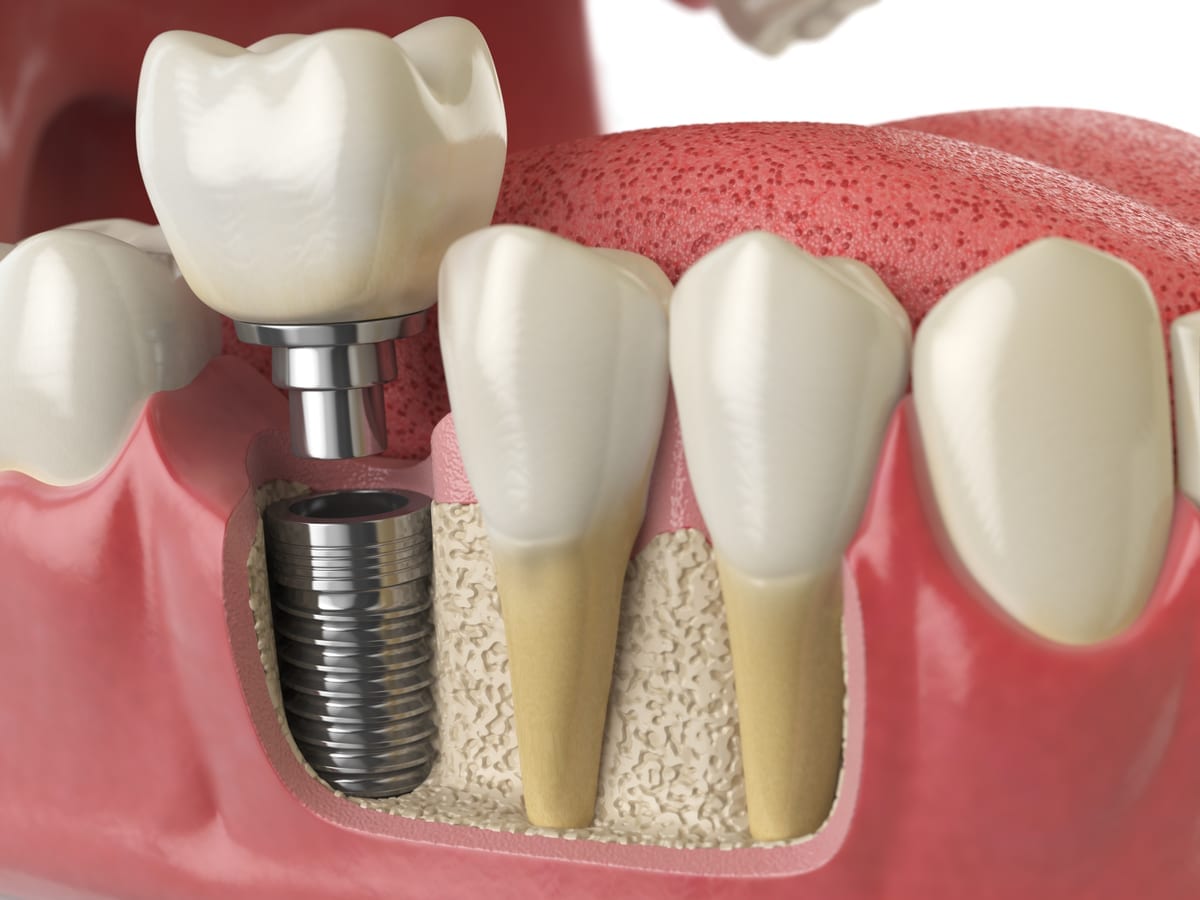
In some cases, the tooth cannot be saved. When that happens, we will discuss your restoration options — these may include root canal treatment patients sometimes need after traumatic tooth injuries, as well as dental implants, bridges, and dentures to restore your smile fully.
Common Mistakes to Avoid
Many people accidentally reduce their tooth’s chances of survival by doing the wrong things first. Avoid these critical mistakes.
- Do not hold the tooth by the root. Root cells are fragile and essential for reimplantation.
- Do not wrap the tooth in a dry tissue or cloth. This dries out and kills the root cells quickly.
- Do not store the tooth in tap water. Tap water damages root surface cells. Use milk instead.
- Do not try to clean the tooth with soap or chemicals. Plain water or saline is all you need.
- Do not wait and see. Every minute without treatment reduces your chances of saving the tooth.
Preventing Knocked-Out Teeth
Prevention is always better than emergency treatment. Many knocked-out teeth happen during sports or physical activity. A custom-fitted mouthguard is your best line of defense — and store-bought guards offer limited protection compared to one made specifically for your bite.
Preventive care like dental sealants helps build a foundation of strong, healthy teeth from an early age. Strong teeth are more resilient in the event of trauma. Regular checkups also help identify weak or damaged teeth before an emergency occurs.
Other Dental Emergencies That Need Immediate Care
A knocked-out tooth is just one type of dental emergency. Others include:
- Severe toothache that does not subside
- Cracked or fractured tooth with sharp pain
- Dental abscess with swelling or fever
- Lost crown or filling causing pain
- Soft tissue injuries inside the mouth
Kopp Bloom Full General Dentistry for All Ages offers emergency dental services to patients across Crystal Lake and the surrounding communities. Dr. Kopp and his team respond with the care and speed these situations demand. Book Now to schedule your appointment or call us directly in an emergency.
Frequently Asked Questions
Can a knocked-out tooth really be saved?
Yes, in many cases a knocked-out adult tooth can be saved if you act within the first 30 minutes. The key is handling the tooth correctly, keeping it moist, and getting to a dentist immediately. Dr. Thomas Kopp at Kopp Bloom Full General Dentistry is experienced in treating avulsed teeth and can assess your situation quickly.
What is the best way to store a knocked-out tooth before reaching the dentist?
The best storage options are milk, saline solution, or your own saliva inside your cheek. These liquids help keep the root cells alive during transport. Avoid wrapping the tooth in a dry cloth or storing it in tap water, as both can destroy the delicate root cells needed for reimplantation.
Should I try to reinsert the tooth myself before going to the dentist?
If possible, yes — gently reinserting the tooth into the socket is actually the best storage method. Hold it by the crown, rinse it lightly, and slide it back into the socket. Bite down softly on a clean cloth. If reinsertion is too uncomfortable or not possible, use milk as a storage medium and head to our office immediately.
What if my child knocks out a baby tooth?
A knocked-out baby tooth should not be reimplanted. Reinserting it could damage the developing permanent tooth underneath. However, you should still contact Kopp Bloom Full General Dentistry for All Ages right away. Dr. Kopp can examine the area for soft tissue damage and monitor the space for proper permanent tooth development.
How can I prevent a knocked-out tooth from happening again?
Wearing a custom-fitted mouthguard during sports is the most effective prevention. Dr. Thomas Kopp can create one designed specifically for your bite. Maintaining regular dental visits and good oral health also helps keep your teeth strong and better able to withstand trauma.
Ready to see us?
New patients are always welcome.
Book an appointmentCall us (815) 477-4055