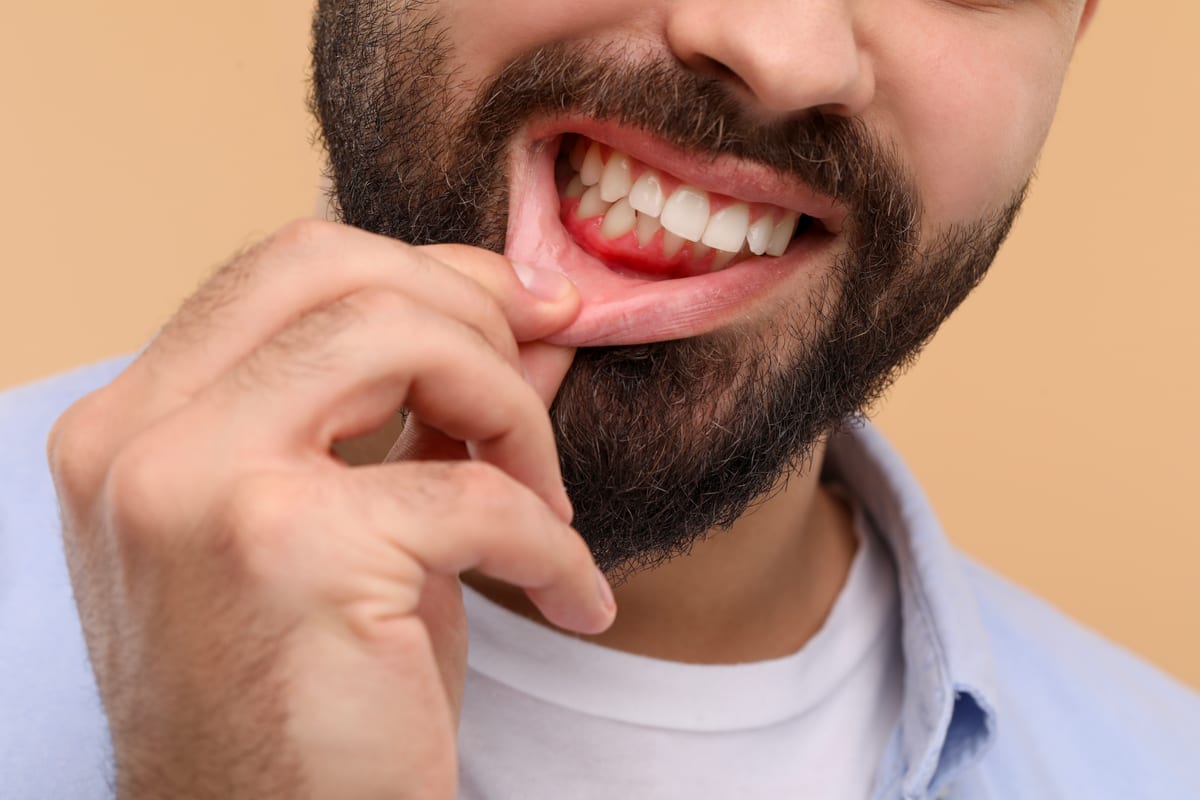
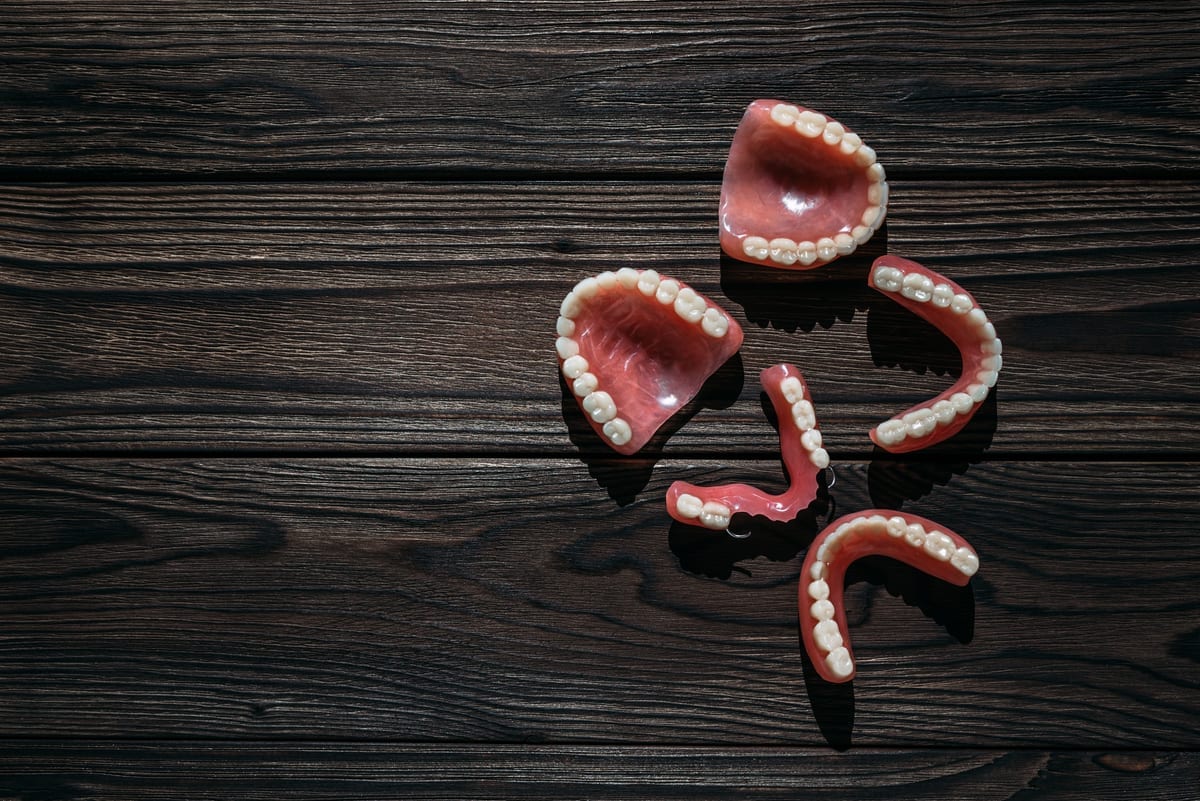
Getting new dentures is a big adjustment. Many patients in Crystal Lake ask the same question right away: What can I actually eat? Your first month with dentures — the foods that actually work in Crystal Lake — is all about starting soft, building confidence, and gradually expanding your diet. Dr. Thomas Kopp and the team at Kopp Bloom Full General Dentistry for All Ages help patients through this transition every day. This guide will make that process much easier.
Why the First Month With Dentures Requires a Special Diet in Crystal Lake
Your mouth goes through real changes after getting dentures. Your gums need time to adapt to the new appliance. Even well-fitted dentures can shift slightly before your mouth adjusts.
Chewing too hard too soon causes soreness. It can also dislodge your dentures at the worst possible moment. Starting with the right foods protects your comfort and your confidence.
Think of the first month as a training period. You are learning new chewing patterns and discovering which foods feel manageable. Patience pays off significantly here.
Week One: The Softest Foods That Actually Work
During your very first week, stick to foods that require almost no chewing. Your gums are most sensitive right now. Gentle choices help you heal while still getting proper nutrition.
Here are the best options for week one:
- Smooth yogurt and applesauce
- Scrambled eggs and soft-boiled eggs
- Mashed potatoes with gravy
- Oatmeal and cream of wheat
- Protein shakes and smoothies
- Pudding, gelatin, and soft soups
- Soft tofu and hummus
Avoid anything that requires real bite force. Skip raw vegetables, crusty bread, and chewy meats entirely. Even foods that seem soft — like white rice — can clump and cause problems under a denture plate.
Take small bites and chew slowly on both sides of your mouth at the same time. This distributes pressure evenly and keeps your denture more stable.
Weeks Two Through Four: Expanding Your Crystal Lake Denture Diet
By the second week, most patients feel noticeably more comfortable. Your gums start toughening up. Your muscles begin learning the new chewing motion naturally.
You can start introducing slightly firmer textures now. Try these foods as your confidence grows:
- Soft fish like tilapia or cod
- Well-cooked pasta and noodles
- Soft-cooked vegetables like carrots, zucchini, and green beans
- Ripe bananas, melon, and peeled peaches
- Ground meat in sauces or casseroles
- Soft cheese and cottage cheese
- Pancakes, soft muffins, and steamed dumplings
Cut all food into small pieces before putting it in your mouth. This habit makes a real difference in stability and comfort. Many Crystal Lake denture patients say smaller bites changed everything for them.
By the end of week four, most people can handle a much wider variety of foods. Everyone adapts at a different pace, and that is completely normal.
Foods to Avoid Permanently With Dentures
Some foods stay off the list even after full adaptation. Certain textures and consistencies are simply not compatible with denture appliances. Knowing this ahead of time saves you a lot of frustration.
Avoid these foods on an ongoing basis:
- Hard nuts like almonds and cashews
- Tough, chewy steak or jerky
- Whole apples and raw carrots
- Popcorn — hulls can get trapped and irritate gums
- Sticky foods like caramel, taffy, and gummy candies
- Hard bread rolls and bagels
- Corn on the cob
Sticky foods are especially problematic. They can pull dentures right out of position. Hard foods create uneven bite pressure that stresses the appliance and your gum tissue.
You do not have to give up flavor — just preparation methods. A well-marinated baked chicken breast is very different from a tough grilled steak, for example.
Practical Eating Tips From Dr. Thomas Kopp
Beyond specific foods, a few habits make daily eating with dentures much smoother. These tips come directly from what Dr. Kopp shares with his Crystal Lake patients.
First, always chew on both sides simultaneously. Biting with only one side rocks the denture plate and causes slipping. Symmetrical chewing keeps everything balanced and stable.
Second, cut food into pieces no larger than a thumbnail. This single habit prevents most first-month eating problems. It applies to soft foods and firmer foods alike.
Third, avoid biting with your front teeth. Use your back teeth for most of the work. Front bites — like biting into a sandwich — create the most denture instability.
Fourth, stay hydrated. A dry mouth makes denture adhesion harder and chewing more uncomfortable. Sipping water throughout your meal helps significantly.
Fifth, if you ever experience a toothache or jaw discomfort before getting dentures, ask Dr. Kopp about options like Root Canal Treatment Crystal Lake to address the underlying issue first.
Also worth noting — if you have children or younger family members still keeping their natural teeth, ask about preventive options like Dental Sealants Crystal Lake to protect them long term.
When to Call Kopp Bloom Full General Dentistry for All Ages
Some soreness is expected during your first month. However, certain signs mean you should call the office right away. Do not wait through significant pain.
Contact the practice if you experience any of the following:
- Sore spots that do not improve after 48 hours
- Dentures that feel noticeably loose or shift dramatically while eating
- Difficulty speaking that does not improve after week two
- Persistent gum irritation or visible sores
- Jaw pain or clicking when chewing
These issues are almost always fixable with a simple adjustment. Denture relining or reshaping takes very little time. Waiting too long just prolongs discomfort unnecessarily.
The team at Kopp Bloom Full General Dentistry for All Ages welcomes adjustment visits. Getting your dentures fitting properly is part of the service, not an inconvenience.
Building Confidence One Meal at a Time
Most Crystal Lake patients tell Dr. Kopp they felt nervous about eating in public for the first few weeks. That feeling is completely understandable. Dentures take practice, just like any new skill.
By the end of your first month, most patients feel genuinely comfortable at meals. They know which foods work, how to chew effectively, and when to ask for help. That confidence grows with every passing week.
Your diet does not have to be bland or boring. With the right approach, you can enjoy a wide range of satisfying, nutritious meals. The first month is the hardest part — and you will get through it.
Dr. Thomas Kopp and the full team at Kopp Bloom Full General Dentistry for All Ages are here to support every step of your denture journey. Book Now to schedule your appointment with our team.
Frequently Asked Questions
How long does it take to eat normally with new dentures?
Most patients feel significantly more comfortable by the end of their first month. Full adaptation — where eating feels truly natural — often takes three to six months. Everyone’s timeline is different, so patience and consistent practice matter most.
Can I eat hot foods with dentures?
Yes, but be cautious. Dentures can reduce your sensitivity to heat, which means you may not feel when food is too hot to be safe. Let hot foods and drinks cool slightly before eating to avoid burning your mouth or gums.
Should I use denture adhesive during my first month?
Denture adhesive can add extra stability during the adjustment period. However, if you need large amounts of adhesive every single day, that usually means the fit needs to be adjusted. Talk to Dr. Kopp about what works best for your situation.
What is the easiest protein source to eat with new dentures?
Eggs are the easiest protein for new denture wearers. Scrambled eggs, soft-boiled eggs, and egg-based dishes require almost no chewing force. Soft fish, Greek yogurt, cottage cheese, and hummus are also excellent protein choices during the first few weeks.
Can dentures be adjusted if they feel loose after the first fitting?
Absolutely. Adjustments are a normal and expected part of getting new dentures. Your gum tissue changes shape as it heals, which can affect fit over time. Dr. Kopp and the team at Kopp Bloom Full General Dentistry for All Ages perform routine denture adjustments to keep your appliance comfortable and secure.