Dental Implants: A Complete Guide to Restoring Your Smile
Dental Implants are one of the most effective solutions for missing teeth. They look, feel, and function like natural teeth. Many patients find they restore both confidence and oral health. At Kopp Bloom Full General Dentistry for All Ages, our dental team is committed to helping you understand your options clearly and completely.
What Are Dental Implants?
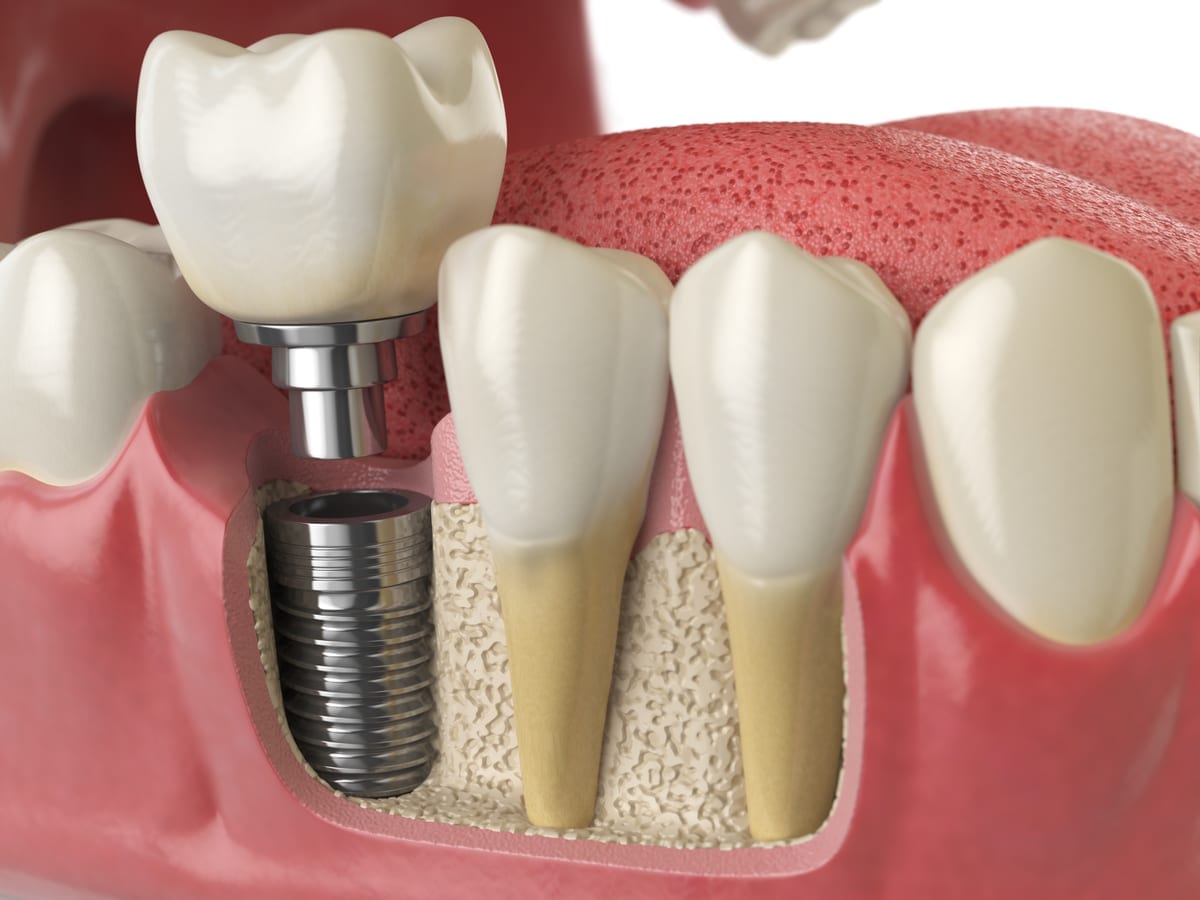
A dental implant is a small titanium post. It is placed directly into the jawbone. Over time, the bone grows around it in a process called osseointegration. This creates a stable foundation for a replacement tooth. The implant acts much like a natural tooth root. It supports a crown, bridge, or denture placed on top. The result is a restoration that blends seamlessly with your smile. Most patients cannot tell the difference between an implant and a natural tooth.
How Do Dental Implants Work?
The implant process typically happens in several stages. First, the titanium post is surgically placed in the jaw. A healing period follows, usually lasting several months. During this time, the bone fuses with the implant. Once fully healed, an abutment is attached to the post. Finally, a custom crown is secured on top. Each step is carefully planned to ensure proper fit and function. Our dental team guides patients through every stage of the process.
Who Is a Good Candidate for Dental Implants?
Most adults with good general health are potential candidates. Healthy gums are essential for implant success. Sufficient jawbone density is also required to support the post. Patients who smoke or have uncontrolled diabetes may face higher risks. A thorough evaluation helps determine individual suitability. Bone grafting may be recommended if jawbone density is low. Age is rarely a barrier for adults. A personalized consultation is the best starting point for anyone considering this treatment.
Benefits of Choosing Dental Implants
Dental implants offer several meaningful advantages over other tooth replacement options. They do not slip or shift like traditional dentures. Chewing and speaking feel natural with implants in place. Because they are anchored in bone, they help prevent bone loss over time. Surrounding teeth remain untouched, unlike with dental bridges. Implants can last many years with proper care and hygiene. They are easy to maintain with regular brushing and flossing. Many patients consider them a long-term investment in their oral health.
What to Expect During Recovery
Some swelling, discomfort, and minor bleeding are normal after placement. These symptoms typically resolve within a few days. Soft foods are recommended during the initial healing phase. Pain relief medication may be prescribed to manage discomfort. Patients should avoid smoking during recovery, as it can impair healing. Good oral hygiene is critical throughout the process. Follow-up visits allow the dental team to monitor progress. Most patients return to normal activities within a day or two after the procedure.
Caring for Your Dental Implants Long-Term
Caring for implants is similar to caring for natural teeth. Brushing twice daily and flossing once a day are essential habits. An antimicrobial mouthwash can help keep gum tissue healthy. Regular dental checkups allow early detection of any issues. Hard or sticky foods should be approached with caution. Avoiding habits like chewing ice or grinding teeth protects the crown. With consistent care, implants can remain functional for decades. Our dental team is available to answer questions about your long-term implant care. Visit our services page to learn more about what we offer to support your smile.
Dental Implants Compared to Other Tooth Replacement Options
Bridges and dentures are common alternatives to implants. Bridges require the filing down of adjacent healthy teeth. Dentures can be removable and may feel less stable over time. Dental implants preserve the integrity of surrounding teeth. They also stimulate the jawbone, preventing deterioration. While the process takes longer than other options, the results are often more durable. Each patient’s situation is unique, so comparing options with a dental professional is important. Our team page gives you a better sense of who will be guiding your care.
Conclusion
Dental Implants are a reliable and long-lasting solution for tooth loss. They support oral health, restore function, and improve quality of life. Understanding the process helps patients feel confident in their decisions. Our dental team at Kopp Bloom Full General Dentistry for All Ages is here to educate and support you every step of the way. If you are considering implants or simply want to explore your options, we encourage you to reach out. Learn More about how we can help you.
Frequently Asked Questions
How long do dental implants last?
With proper care and regular dental visits, dental implants can last many years — often decades. The crown on top may need replacement over time due to normal wear, but the implant post itself is designed to be a long-term solution.
Does getting a dental implant hurt?
The procedure is performed under local anesthesia, so most patients feel little to no pain during placement. Some soreness and swelling are common afterward, but these typically resolve within a few days with proper care.
How many teeth can be replaced with implants?
Dental implants can replace a single missing tooth, multiple teeth, or even a full arch. Implant-supported bridges and dentures make it possible to restore an entire smile using a strategic number of implant posts.
Is there an age requirement for dental implants?
Dental implants are generally recommended for adults whose jawbones have finished developing. There is no upper age limit. Suitability is determined by overall health, bone density, and gum condition rather than age alone.
Can dental implants fail?
While implant failure is uncommon, it can occur. Factors such as smoking, poor oral hygiene, or inadequate bone support can increase risk. Regular checkups and good home care significantly improve long-term success rates.