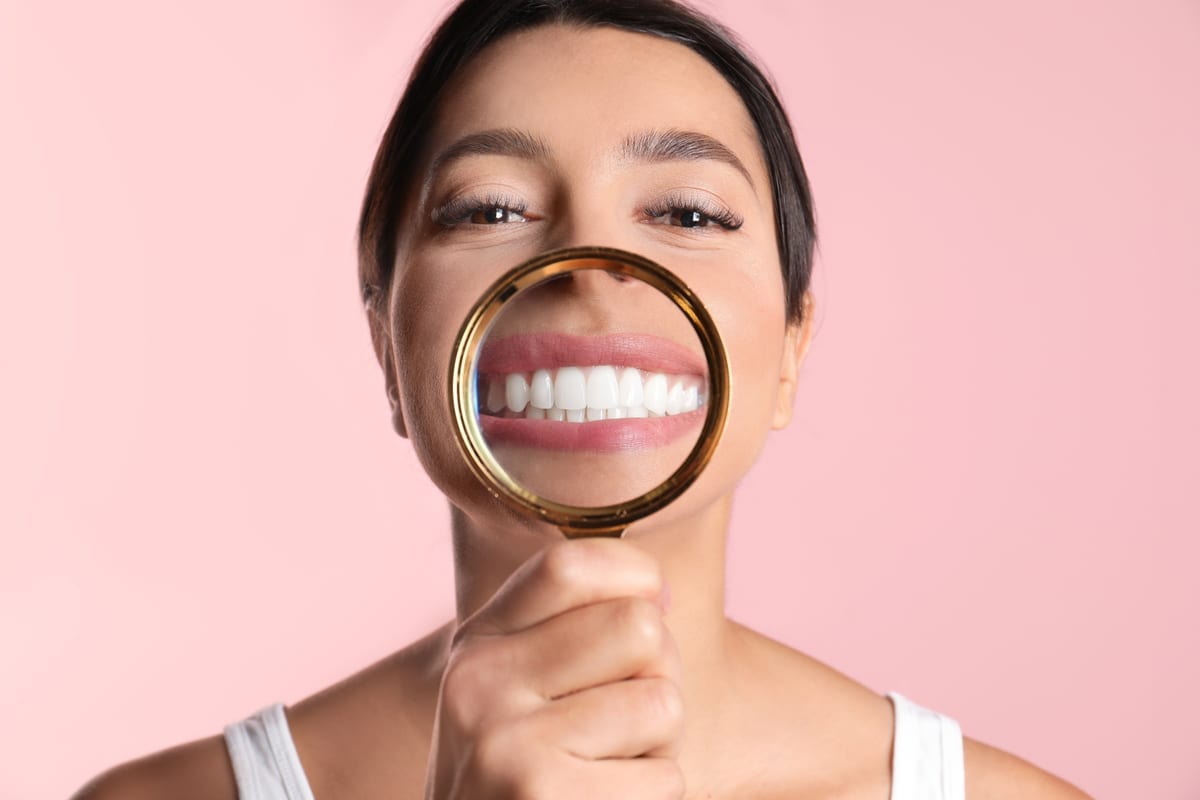
Many patients in the area ask the same question: do veneers really look natural or just unnaturally white in Oakwood Hills? It is one of the most common concerns we hear at Kopp Bloom Full General Dentistry for All Ages. The good news is that modern veneer technology has come a long way. Today’s veneers are designed to blend seamlessly with your natural smile.
Dr. Thomas Kopp understands why patients feel nervous. Nobody wants to walk away with a smile that looks like a Hollywood caricature. That fear is completely valid. But with the right materials and a skilled dentist, natural-looking results are very achievable.
Why Do Some Veneers Look Fake or Too White?
Older veneers often looked opaque and flat. They reflected light differently than natural teeth. This gave smiles an artificial, almost plastic appearance. Patients who received veneers decades ago often ended up with results that looked obviously cosmetic.
The problem usually came down to two factors: material choice and shade selection. Early porcelain was thick and lacked the depth of real enamel. Dentists also sometimes chose shades that were far brighter than the patient’s natural teeth. The result was a smile that stood out for the wrong reasons.
Today, those limitations are largely a thing of the past. Advanced ceramic materials now mimic the light-reflecting properties of natural enamel. Careful shade matching ensures the final result complements your overall appearance.
How Modern Shade Matching Creates a Natural Result in Oakwood Hills
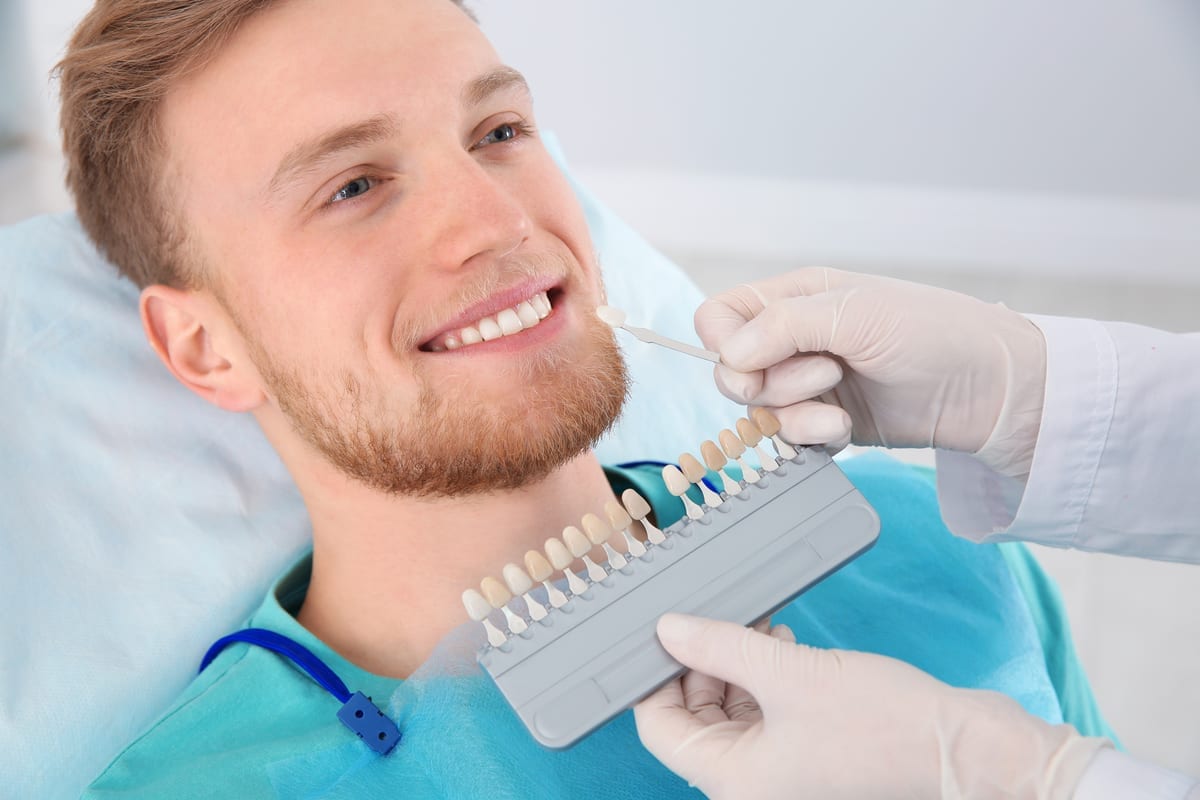
Shade matching is one of the most important steps in the veneer process. Dr. Kopp takes this step very seriously. He evaluates your skin tone, eye color, and existing tooth color together. This ensures the chosen shade looks natural on you specifically — not just natural in general.
Modern dental shade guides offer dozens of color options. They range from warm ivory to cool white. The goal is not always the whitest shade available. Instead, the goal is the shade that looks most natural and flattering for your unique features.
Here is what the shade matching process typically involves:
- Evaluating your natural tooth color in different lighting conditions
- Considering your skin tone and facial structure
- Reviewing before-and-after photos of similar cases
- Using digital imaging to preview your potential result
- Collaborating with a dental lab for precise color calibration
This careful approach helps ensure your new smile looks like a better version of you — not someone else entirely.
The Role of Translucency in Natural-Looking Veneers
Natural teeth are not solid white objects. They have layers of enamel and dentin that interact with light. Light passes through the enamel and reflects off the dentin beneath. This creates a subtle glow that makes real teeth look alive and dimensional.
Modern porcelain veneers are engineered to replicate this exact quality. High-quality ceramic materials allow light to pass through slightly. This creates the same depth and luminosity you see in natural enamel. The result is a veneer that does not just sit on your tooth — it looks like it belongs there.
Thinner veneers also help achieve a more natural look. Ultra-thin veneers require minimal tooth preparation. They preserve more of your natural tooth structure. And because they are thinner, they interact with light more like real enamel does.
What Influences Whether Your Veneers Look Natural or Overdone
Several factors determine the final outcome of your veneers. The dentist’s skill is the most important one. But other variables matter too. Here is a breakdown of key factors:
- Material quality: High-grade ceramic outperforms lower-quality alternatives in translucency and color accuracy
- Lab craftsmanship: Skilled dental technicians hand-layer porcelain for a more lifelike result
- Number of veneers: Treating just one or two teeth requires extra precision to match the rest of your smile
- Tooth preparation: Conservative preparation preserves natural tooth structure and supports a better fit
- Patient input: Communicating your goals clearly helps Dr. Kopp achieve the result you actually want
Patients who come in with clear expectations tend to leave more satisfied. Dr. Kopp encourages open conversation throughout the entire process. There are no silly questions when it comes to your smile.
How Veneers Compare to Other Cosmetic Options
Veneers are not the only way to improve your smile’s appearance. Dental Bonding is a more affordable alternative for minor chips or discoloration. It uses tooth-colored resin applied directly to the tooth surface. Bonding can look very natural when done well, though it may not last as long as porcelain veneers.
Dental Bridges address missing teeth rather than cosmetic imperfections. They restore function and appearance when one or more teeth are absent. Understanding which treatment fits your specific situation requires a professional consultation.
Veneers excel at correcting multiple cosmetic concerns at once. They can address discoloration, chips, gaps, and minor misalignment together. For patients who want a comprehensive smile transformation, veneers often deliver the most dramatic and lasting improvement.
What to Expect During Your Veneer Consultation at Kopp Bloom
Your veneer journey starts with a thorough consultation with Dr. Kopp. He will examine your teeth and discuss your goals. He will also explain what is realistic based on your current dental health. Healthy gums and teeth are a foundation for successful veneers.
From there, Dr. Kopp will walk you through material options and shade choices. You will have input every step of the way. Many patients also benefit from a trial smile, which gives you a preview of the final result before anything is permanently placed.
The preparation appointment involves minimal reshaping of the tooth surface. Impressions or digital scans are then sent to a dental lab. Temporary veneers protect your teeth while the permanent ones are crafted. Final placement involves bonding the veneers securely and making any last adjustments for fit and color.
Frequently Asked Questions
Will my veneers match my other teeth?
Yes, Dr. Kopp carefully selects a shade that complements your natural teeth and overall appearance. The goal is always a seamless, balanced smile. If you are getting veneers on just a few teeth, extra care goes into matching the surrounding teeth precisely.
How long do veneers last before they need replacing?
High-quality porcelain veneers typically last between 10 and 20 years with proper care. Good oral hygiene and regular dental visits help extend their lifespan. Avoiding habits like nail biting or grinding also protects your investment.
Can veneers fix teeth that are very discolored or stained?
Yes, veneers are one of the most effective solutions for stubborn stains that do not respond to whitening. Porcelain is highly resistant to future staining as well. This makes veneers a long-term solution for discoloration caused by medication, aging, or injury.
Do veneers look different in photos or bright lighting?
Modern porcelain veneers are designed to look natural in all lighting conditions. Quality materials reflect light similarly to natural enamel. Patients are often pleased to find their smile looks just as good in photos as it does in person.
Is the veneer process painful?
Most patients experience little to no discomfort during the veneer process. Local anesthesia is used during tooth preparation to keep you comfortable. Some mild sensitivity after preparation is normal but typically resolves quickly.
If you have been wondering whether veneers will look natural or unnaturally white, the answer depends on the dentist and process behind them. At Kopp Bloom Full General Dentistry for All Ages in Crystal Lake, Dr. Thomas Kopp combines careful shade matching, premium materials, and personalized care to create results that look genuinely natural. Oakwood Hills patients deserve a smile they feel confident showing off every day. Book Now to schedule your appointment with our team.